
When Serdar Kayman founded SK2 Architects, he brought with him more than professional experience — he carried a design philosophy shaped by two very different worlds. Educated and trained in Turkey, Serdar developed his architectural foundation in a country where every street, every stone, and every skyline carries the weight of history. Later, as he transitioned his career to the United States, he encountered a new set of design challenges — faster timelines, stricter codes, and a culture of efficiency. That journey, bridging Turkey’s architectural richness and America’s technical precision, became the defining force behind SK2’s work today.
Serdar’s architectural education in Turkey gave him more than a diploma — it gave him a sense of timeless proportion and cultural awareness. In Turkish architecture, design is never just about space; it’s about heritage, community, and continuity. From the courtyards of Anatolia to the intricate geometry of Ottoman design, architecture tells a story of people, light, and place.
This early exposure to contextual thinking still guides SK2’s approach to design. Whether the project is a healthcare facility in New Jersey or a commercial ground up buildout in Texas, the guiding question remains the same:
“How does this space connect people — not just physically, but emotionally and culturally?”
Moving to the United States wasn’t simply a change in geography — it was a shift in system, expectation, and pace. As Serdar recalls, “In Turkey, architectural expression often evolves from history. In the U.S., it’s driven by innovation and performance. Both are valid — and powerful — but combining them takes understanding.”
The transition meant learning an entirely new regulatory framework:
American building codes, ADA accessibility standards, and energy efficiency requirements.
Coordination with local departments and agencies
Client expectations around delivery speed, budgeting, and documentation detail.
It was a steep learning curve — one that transformed SK2 into a firm that doesn’t just design beautifully but delivers with precision.
For architects trained abroad, practicing in the U.S. requires more than talent; it demands resilience and patience. Each state regulates licensing through its own architectural board. Foreign-trained architects must often:
Verify academic credentials through the National Architectural Accrediting Board (NAAB).
Complete the Architectural Experience Program (AXP).
Pass the Architect Registration Examination (ARE).
Communicating design intent to clients who think differently about space.
Integrating with multidisciplinary teams across time zones and expectations.
Balancing artistic identity with practical, code-driven solutions.
For Serdar, these challenges became opportunities. “The U.S. system is demanding,” he says, “but it pushes you to think rigorously. It taught me to be both creative and accountable.”
Today, SK2’s portfolio reflects this dual heritage — Turkish artistry meeting American precision. Some of the firm’s most notable projects illustrate this blend:
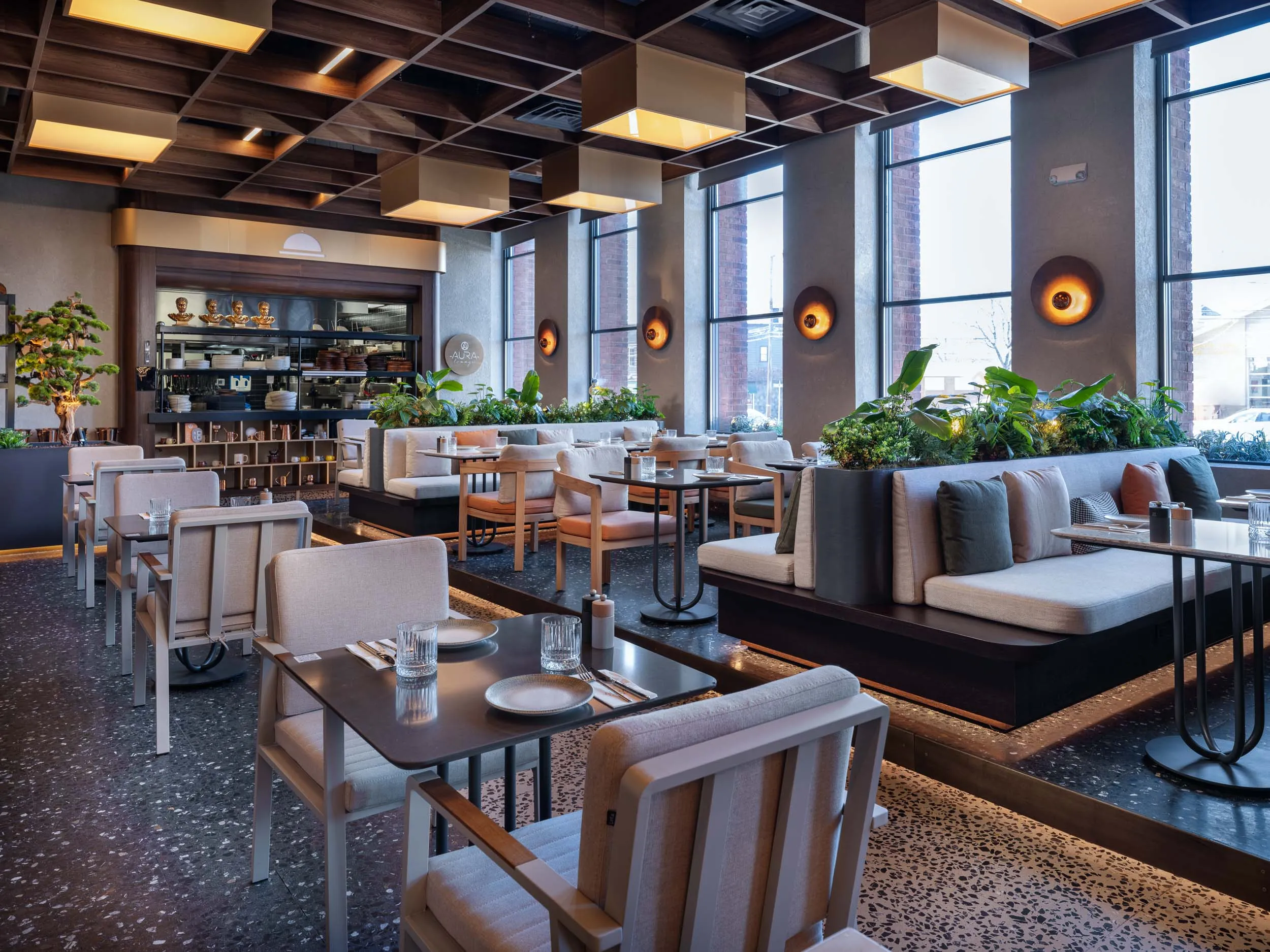
Aura, Clifton, NJ (2023): A commercial renovation that transformed an existing retail space into a modern, efficient store. The design merges clean American functionality with subtle European spatial rhythm.
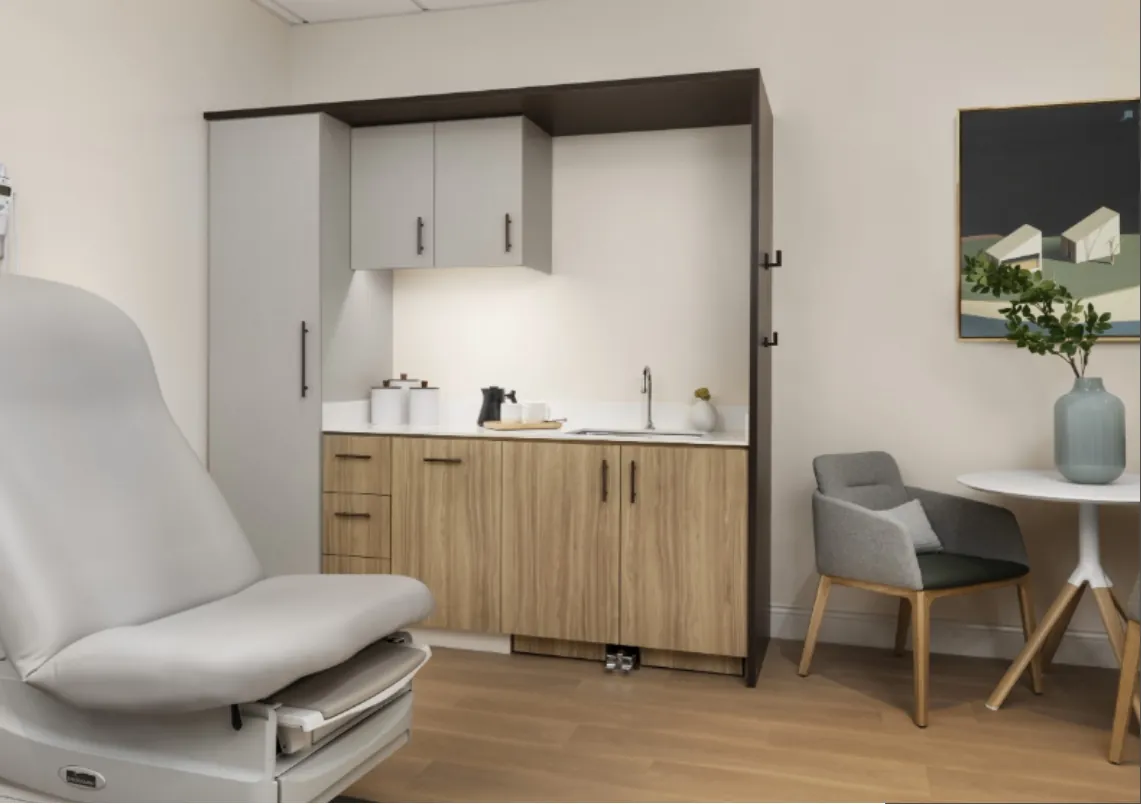
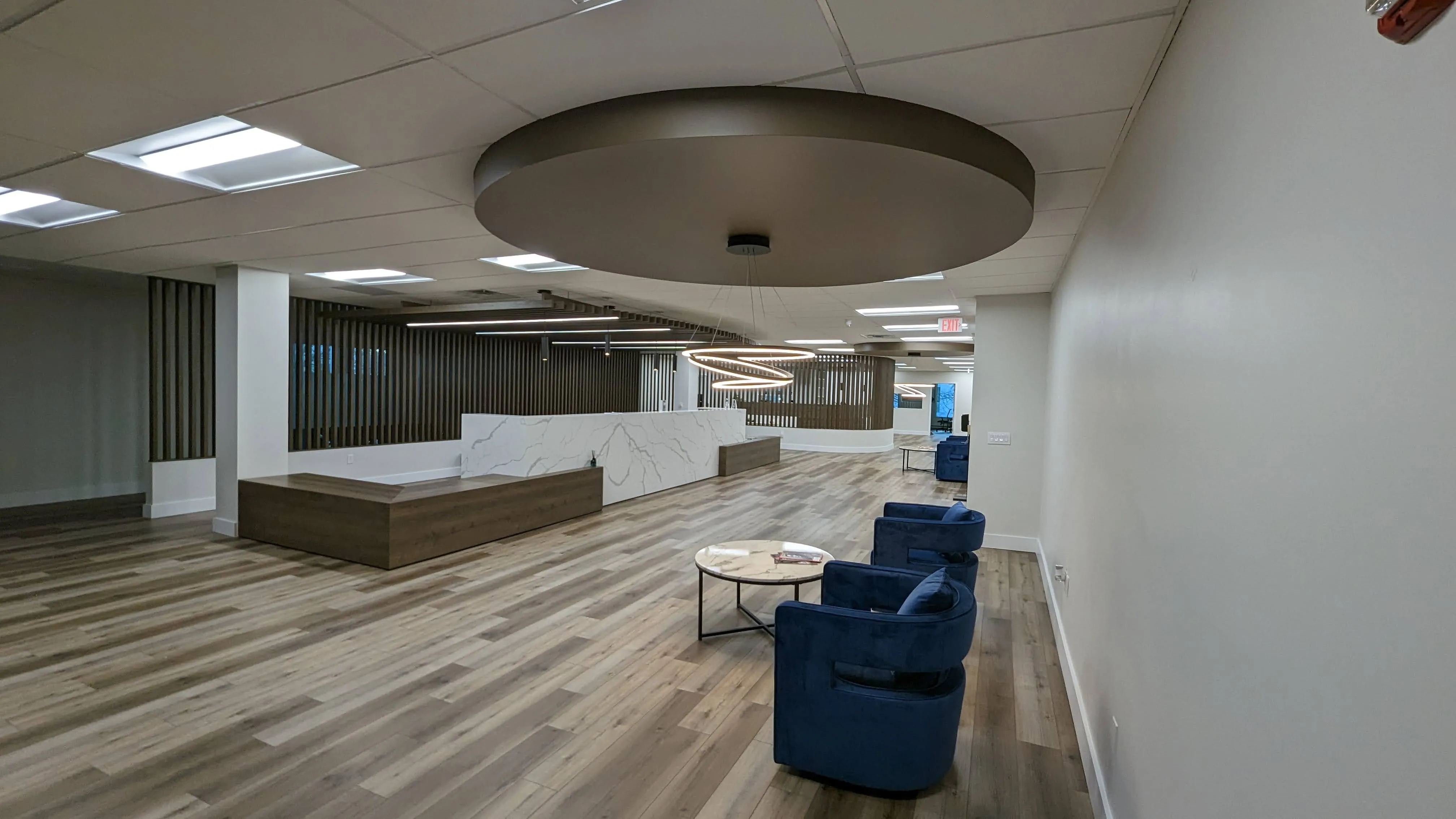
Eastpointe Integrated Healthcare, Brielle, NJ: A healthcare facility where natural light and patient comfort drive every design decision — a nod to Mediterranean sensibilities adapted for American clinical standards.
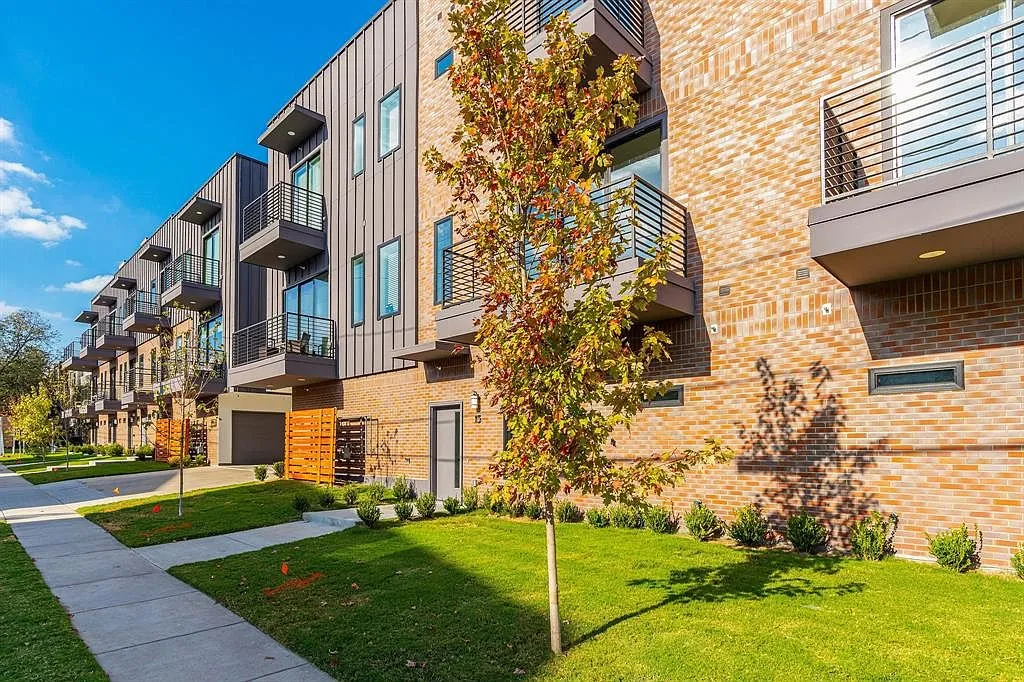
United Townhomes, Dallas, TX: A multi-family development showcasing balance between density and livability, combining Turkish notions of shared community spaces with U.S. urban efficiency.
Across these projects, SK2’s identity is clear: functional architecture infused with cultural depth.
Architecture is universal — yet profoundly local. A building that succeeds in one culture may fail in another if it ignores how people move, interact, and belong. This is where Serdar’s cross-cultural experience becomes an asset.
His Turkish background brings an instinct for human scale, tactile materiality, and warmth — qualities sometimes overlooked in high-speed American development. His U.S. practice adds discipline, technological integration, and clarity of execution. Together, they form a hybrid design language that speaks to both worlds.
As Serdar puts it:
“Designing in two cultures teaches you humility. You learn that architecture isn’t about imposing a style — it’s about listening to context, climate, and people.”
The story of Turkish architects like Serdar Kayman is part of a broader narrative: the growing diversity within American design practice. Immigrant architects bring fresh ways of seeing — informed by different climates, materials, and urban patterns. They ask new questions:
How can light transform function?
How can culture shape sustainability?
How can a building feel local and global at once?
For SK2, this diversity isn’t just an influence — it’s an advantage. Clients across New York, New Jersey, Connecticut, Pennsylvania, and Texas trust SK2 not only for its technical expertise but for its ability to design with empathy and imagination.
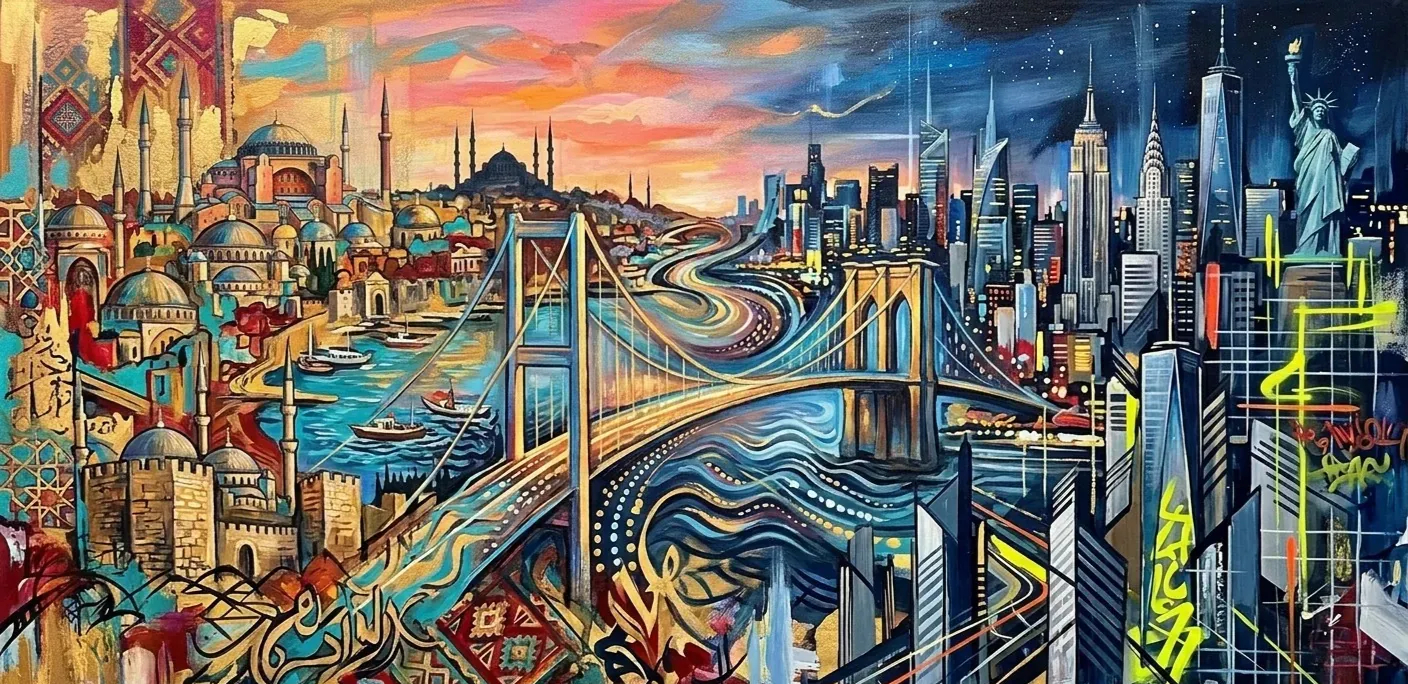
Bridging Turkey and America is more than a professional feat — it’s a creative dialogue. Every SK2 project becomes an intersection where East meets West:
Tradition meets innovation.
Craftsmanship meets technology.
Storytelling meets performance.
This perspective defines the firm’s mission:
Architecture with purpose. Design with integrity.
Those aren’t just words; they summarize a journey — one that began in Turkey’s historic cities and continues across America’s modern skylines.
As SK2 continues to expand its portfolio, the firm remains deeply rooted in its multicultural foundation. From public projects that serve entire communities to private developments that
shape everyday experiences, the goal remains constant: to design spaces that connect people — across cultures, across generations, across disciplines.
Serdar Kayman’s story reminds us that architecture is not bound by borders; it’s an ongoing exchange of ideas. And perhaps that’s what makes SK2 stand out: it’s not just a firm that builds — it’s a bridge between worlds.